advertisement
News Roundup: Secret Messages, Stolen Jewels, and VR for Cows
News Roundup: Secret Messages, Stolen Jewels, and VR for Cows
NFK Editors - December 1, 2019Teen’s Political Message Spreads Across the Internet
A 17-year-old created one of the internet’s most-viewed videos by hiding a political message inside a video offering beauty tips. Feroza Aziz began her video for the social media site TikTok by talking about how to curl eyelashes. But she quickly changed subjects and began talking about China’s treatment of Muslims.
Ms. Aziz said she made the video look like a beauty video to keep it from getting blocked by TikTok. TikTok is run by a Chinese company. Many people believe that TikTok blocks videos that make China look bad.

A 17-year-old created one of the internet’s most-viewed videos by hiding a political message inside a video offering beauty tips. Feroza Aziz began her TikTok video by talking about how to curl eyelashes. But she quickly changed subjects and began talking about China’s treatment of Muslims.
(Source: Feroza Aziz.)
In the video, Ms. Aziz spoke about the horrible treatment of hundreds of thousands of Muslims who have been put into camps in Xinjiang, China. She posted two more videos encouraging people to spread the word about the situation in Xinjiang.
But as Ms. Aziz’s videos were becoming popular, TikTok suddenly blocked her account. The company later unblocked Ms. Aziz, saying that her account wasn’t blocked because of the video. Ms. Aziz says she doesn’t believe that.
Ms. Aziz’s first video has been seen by over 2.1 million people on TikTok. Even more people have seen it on other social media sites.

Ms. Aziz’s first video has been seen by over 2.1 million people on TikTok. Even more people have seen it on other social media sites.
(Source: Feroza Aziz.)
Treasure Stolen From German Museum Still Missing
Last Monday, thieves broke into the Green Vault museum in Dresden, Germany. The thieves stole jewels that once belonged to Augustus the Strong, a ruler of Saxony (an old kingdom in Germany). The museum describes the missing objects, which are from the 1700s, as “priceless”.
The thieves broke a window to enter the museum. Then they broke into several display cases and quickly grabbed the jewels. The car that the thieves used for their escape was found later. It had been set on fire.
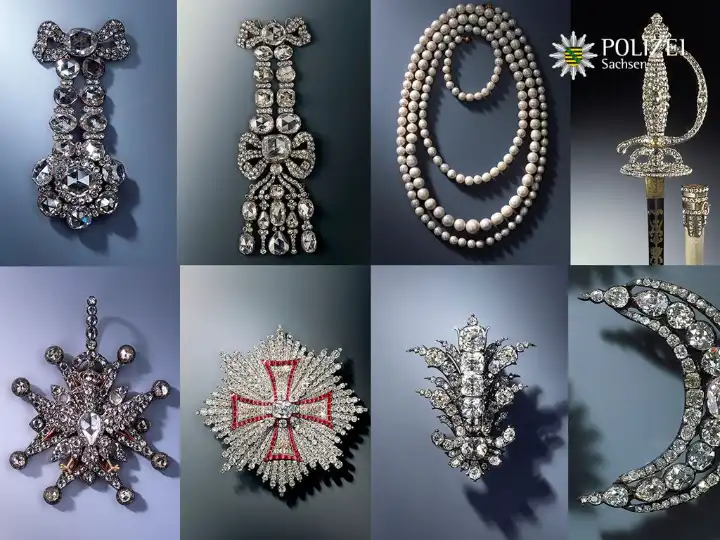
Last Monday, thieves broke into the Green Vault museum in Dresden, Germany. The thieves stole jewels that once belonged to Augustus the Strong, a ruler of Saxony (an old kingdom in Germany). The museum describes the missing objects (above), which are from the 1700s, as “priceless”.
(Source: Saxony Police.)
The police are still working on the case, which they say is similar to a 2017 robbery in Berlin, Germany. A reward of $550,000 has been offered for the jewels.
The museum is worried that the jewels may never be recovered. The value of the items doesn’t come just from the jewels themselves, but from the importance of the jewels in history.
Russia Tries Out Virtual Reality – on Cows
A news report from Moscow, Russia suggests that farmers at RusMoloko Farm are working on an unusual plan to get more milk from their cows. They are giving the cows virtual reality (VR) glasses. Virtual reality glasses show images that seem so real that the mind is tricked.
The farmers are testing two ideas: 1. That virtual reality can calm cows down, and 2. That cows will give more milk if they are less anxious (worried).
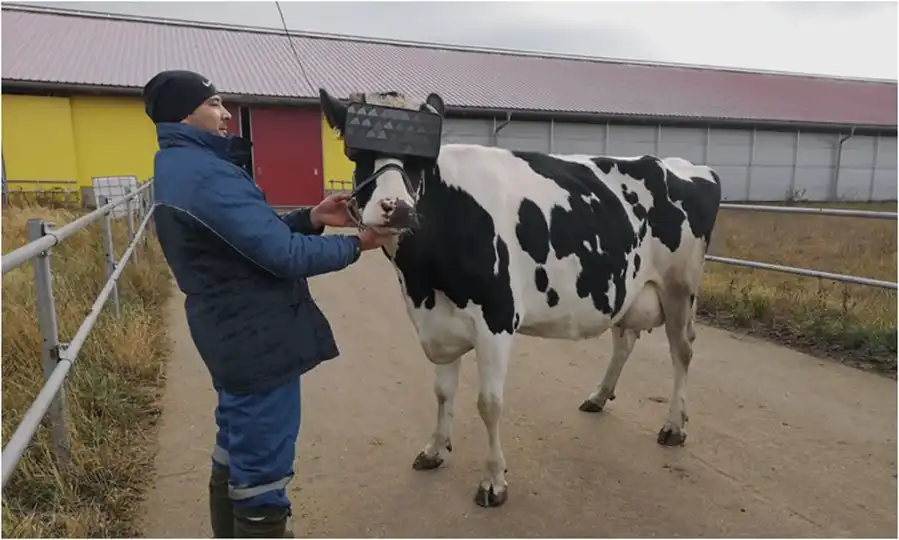
A news report from Moscow, Russia suggests that farmers at RusMoloko Farm are working on an unusual plan to get more milk from their cows. The farmers are testing two ideas: 1. That virtual reality can calm cows down, and 2. That cows will give more milk if they are less anxious.
(Source: Moscow Ministry of Agriculture and Food.)
The report says the VR glasses have been adjusted to work well for cows. The cows are being shown images of green fields in the summertime. The farmers report that the devices seem to have improved the “mood of the herd”.
The next part of the experiment is meant to study whether calmer cows actually give more milk.
Some people have wondered whether the story is really true or if it’s just a way for the farm to get some attention.
Sourceswww.nytimes.com
www.voanews.com
www.bbc.com
www.dw.com
www.nytimes.com
www.theguardian.com
www.bbc.com
www.engadget.com
www.theverge.com
Humans are not the only ones who use dating sites and apps to find a mate. Frogs and cows are also finding partners through creative use of technology.
China Cracks Down on Uighurs
NFK Editors - Dec 19, 2018
China has put up to a million Uighur people in special camps in Xinjiang. Most people think the Uighurs are being punished. China says they are being trained.
Thieves Steal Royal Crowns in Sweden
NFK Editors - Aug 6, 2018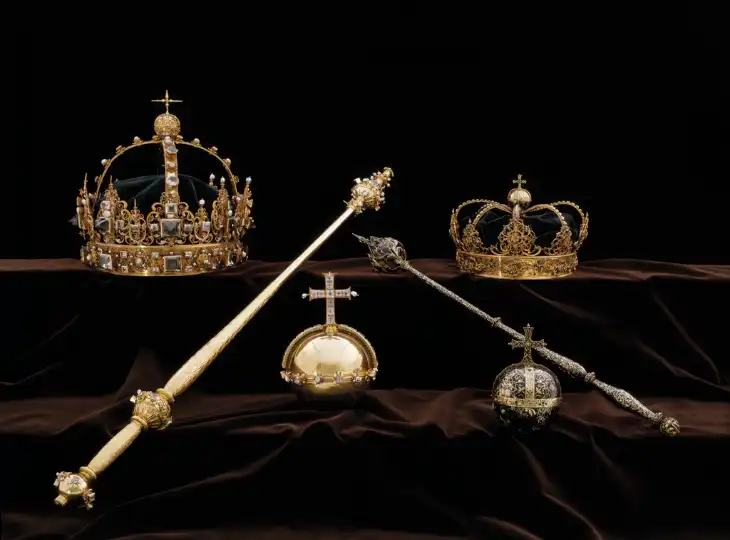
Thieves in Sweden have stolen royal crowns from a display case in a church. In a daring robbery, thieves smashed the case and took the treasures away in a motorboat.
You might be interested in…
Is Seeing Believing? AI Videos Look Extremely Real
NFK Editors - Nov 5, 2025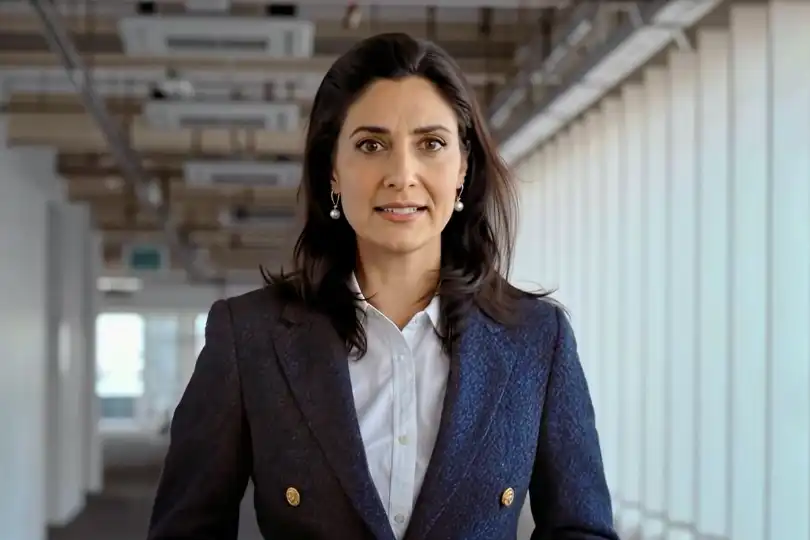
Over the last year or so, the quality of AI-generated videos has become so good that it’s extremely difficult to tell whether a video is real or not. An English TV channel recently ran a show about AI. At the end of the episode, the “woman” presenting the show announced that she wasn’t real.
Thieves Steal French Crown Jewels from Louvre
NFK Editors - Oct 22, 2025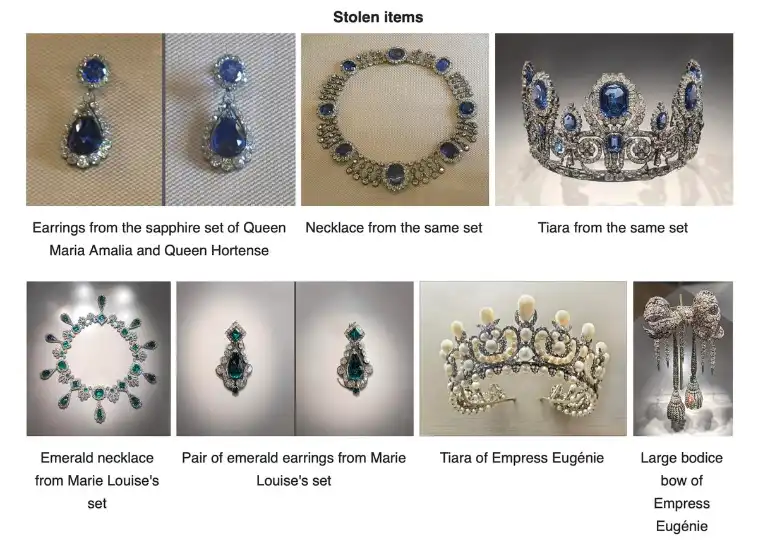
On Sunday, a group of thieves used a truck with a ladder on it to get into the Louvre museum in Paris. They then broke into display cases and stole several important items from the French crown jewels. So far, no one has been arrested.
China Opens World’s Tallest Bridge
NFK Editors - Oct 15, 2025
China already held the record for the world’s tallest bridge. Now it has beaten its own record with an even higher bridge – one which crosses 2,051 feet (625 meters) above the Beipan River in Guizhou province. The bridge is expected to make travel much faster, and to bring tourists to the area.
40 Years of Making Software “Free”
NFK Editors - Oct 8, 2025
The Free Software Foundation celebrated its 40th birthday last Saturday. First started in 1985, the FSF has helped shape the digital world we live in today. Its ideas about free software inspired the open‑source movement; now open‑source programs run on countless computers, phones, and devices around the globe.
advertisement