advertisement
Making Progress on Coronavirus Vaccines
Making Progress on Coronavirus Vaccines
NFK Editors - July 29, 2020Companies and scientists around the world are racing to create vaccines to help protect people against the new coronavirus, SARS-CoV-2. Because the coronavirus is so serious, the process is happening much more quickly than normal.
COVID-19 is caused by a virus called SARS-CoV-2. The virus has changed life around the world, making millions of people sick, and killing over 650,000.
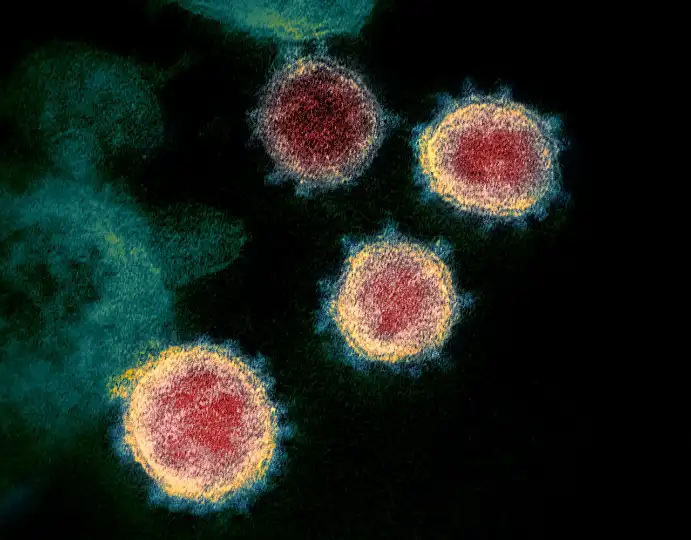
Companies and scientists around the world are racing to create vaccines to help protect people against the new coronavirus, SARS-CoV-2 (shown above under a microscope). The virus has changed life around the world, making millions sick, and killing over 650,000.
(Source: NIAID [CC BY], via Wikimedia Commons.)
Currently over 140 different coronavirus vaccines are being developed. Vaccines help the body create “antibodies” – chemicals specially designed to attack a disease.
There are many different ways to make vaccines. Many of the new vaccines may not work or may cause other problems. That makes testing them very important.
Testing Vaccines
Before vaccines are tested on humans, they’re first tested on animals. If animal testing seems safe, human testing is done in several steps, called “phases”.
Phase 1:a small group of people are given small amounts of the vaccine, to see if it has any bad effects.
Phase 2:trials begin with a larger group of people. Phase 2 still tests the vaccine’s safety, but mainly tests to see if the vaccine seems to work.
Phase 3:The vaccine is tried on a much larger group of people to see how well it works.
Because of the rush, some research groups have combined some of these testing phases.
There are many different ways to make vaccines. Currently over 140 different coronavirus vaccines are being developed around the world. Above, workers at a vaccine lab in Shenyang, China.
Normally, vaccines take seven or more years to develop. But the process is being rushed because of how serious the coronavirus is. Several countries hope to have a vaccine ready before the end of the year.
Four vaccines seem to be leading the way. All of them seem to have some effect at training the body to fight the coronavirus. Scientists know this by testing for antibodies. The vaccines also have some negative effects, such as pain, headaches, and fevers. All are now moving to Phase 3, the final level of testing.
Embed from Getty ImagesFour leading coronavirus vaccines have been shown to have some effect at training the body to fight the coronavirus. Scientists know this by testing for antibodies. Above, a scientist works on a coronavirus vaccine at Oxford University’s Churchill Hospital.
Two of the vaccines work by mixing small bits of the coronavirus into a weakened version of a less dangerous virus. This is a common method for creating vaccines.
In the United Kingdom (UK), Oxford University and the drug company AstraZeneca are working on a vaccine known as AZD1222. AZD1222 worked well in combined Phase 1 and 2 testing. It’s now in Phase 3 trials in the UK, Brazil, and South Africa.
Embed from Getty ImagesOxford University and the drug company AstraZeneca are working on a vaccine known as AZD1222. AZD1222 worked well in combined Phase 1 and 2 testing. It’s now in Phase 3 trials in the UK, Brazil, and South Africa. Above, the Phase 3 trial in Brazil.
In China, a company called CanSino Biologics and the Chinese military have developed a vaccine called Ad5-vectored COVID-19. Ad5 includes bits of the coronavirus in a weakened version of a virus known as an adenovirus. Phase 2 trials were successful, but the vaccine worked less well in people who had already had an adenovirus infection.
Two other vaccines are mRNA vaccines. They rely on packaging up part of the coronavirus RNA – the special code that helps create the coronavirus. In this case, the mRNA vaccines help the body recognize and fight the spikes on the outside of the coronavirus.
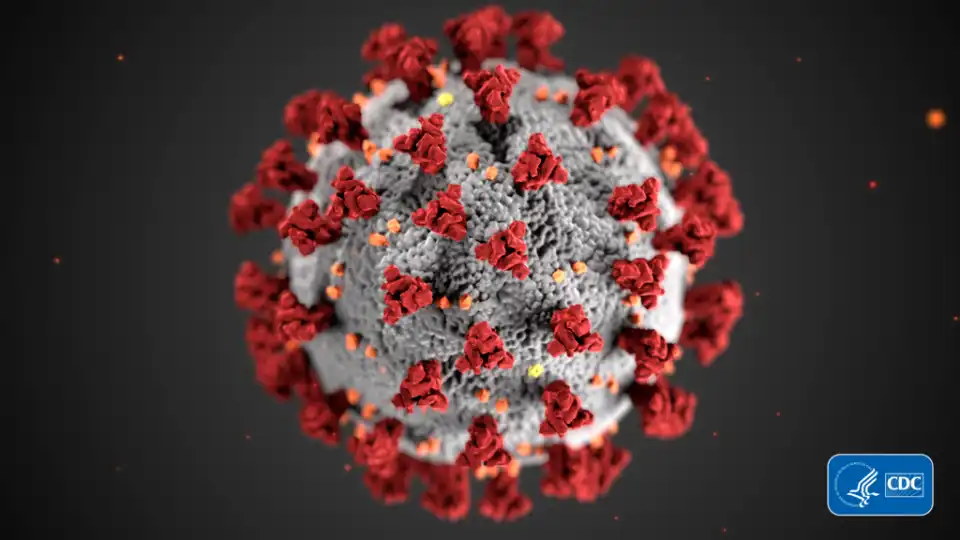
Two vaccines are mRNA vaccines. The mRNA vaccines help the body recognize and fight the spikes on the outside of the coronavirus. This model of the SARS-CoV-2 virus shows the spikes.
(Source: CDC/ Alissa Eckert, MS; Dan Higgins, MAMS [CC0], via Wikimedia Commons.)
Vaccines based on RNA are new, and haven’t been approved for general use before.
In the US, the drug company Moderna and the NIAID* are working on a vaccine called mRNA-1273. Its Phase 1 trial with 45 people was successful. Now it’s started a Phase 3 trial with 30,000 people.
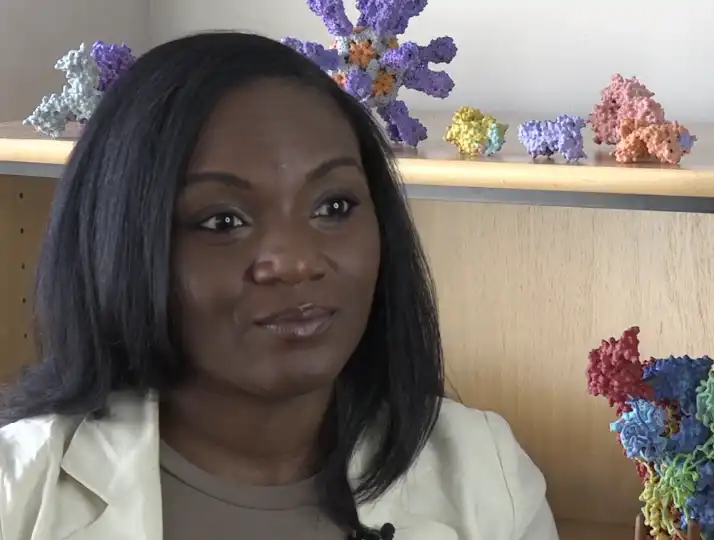
In the US, the drug company Moderna and the NIAID are working on a vaccine called mRNA-1273. Now it’s in a Phase 3 trial with 30,000 people. Above, Kizzmekia Corbett, Ph.D., lead scientist of the Coronavirus Team at NIAID’s Vaccine Research Center.
(Source: NIAID [Public domain], via Wikimedia Commons.)
The German company BioNTech is teaming up with drug company Pfizer to make a vaccine named BNT162b1. In a combined Phase 1 and 2 trial with 45 people, the vaccine seemed to work fairly well.
Phase 3 trials offer an extra challenge, because scientists won’t just check for antibodies. They need to find out if the vaccines protect people against the coronavirus in real life.
Even once a good vaccine is found, many challenges will remain. Huge problems will need to be solved to create enough of the vaccine and ship it around the world.
Embed from Getty ImagesEven once a good vaccine is found, many challenges will remain. Huge problems will need to be solved to create enough of the vaccine and ship it around the world. Above, lab workers in France prepare tanks for making vaccines.
*NIAID stands for the National Institute of Allergy and Infectious Diseases.
(Front page image: Retha Ferguson [CC0], via Wikimedia Commons.)
Check Yourself
0/4
1. How long does it normally take to develop a vaccine?
a yearseven or more yearssix monthstwo years2. In the early phases, scientists can see if the vaccines seem to be working by testing for _______________.
3. Have vaccines made with RNA ever been approved before?
Yes No4. Once scientists find a good vaccine, all of the coronavirus problems will be solved.
True FalseThink about the efforts required to create, test, and deliver a good coronavirus vaccine worldwide. Try to list all the sorts of workers who would be needed to help out along the way.
ResetSourcesarstechnica.com
www.voanews.com
www.nytimes.com
theconversation.com
www.axios.com
www.wired.com
www.japantimes.co.jp
www.nytimes.com
www.dw.com
Worldwide, many efforts are being made to test people for the new coronavirus. But scientists are also looking at an unusual way of testing for the virus – studying water that’s been flushed down toilets.
Using Apps to Track the Spread of the Coronavirus
NFK Editors - Apr 30, 2020
Governments and businesses worldwide are creating smartphone apps to help track the spread of the new coronavirus. The apps could be an important part of easing up on lockdowns, but they are also causing some worries.
Rushing for a Coronavirus Vaccine
NFK Editors - Apr 23, 2020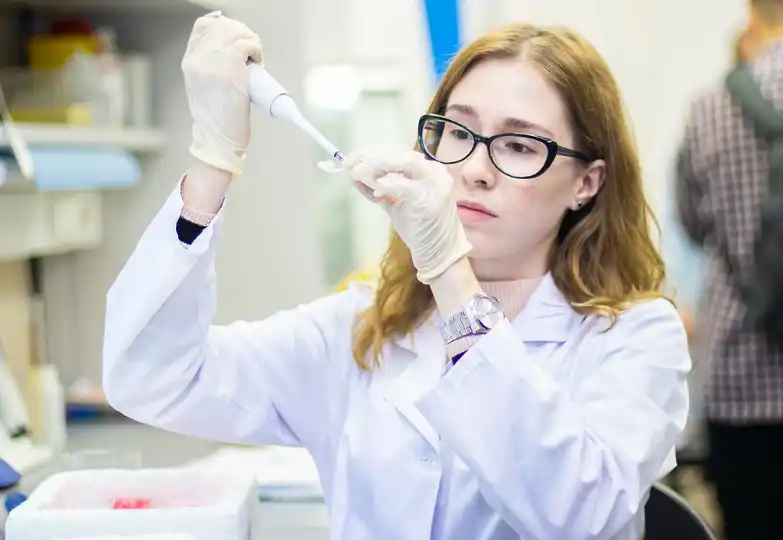
Scientists around the world are racing to create and test vaccines to help protect people from the new coronavirus, SARS-CoV-2. The scientists are making progress, but it will still be quite a while before any vaccines are ready.
You might be interested in…
Are Orcas and Dolphins Working Together?
NFK Editors - Dec 17, 2025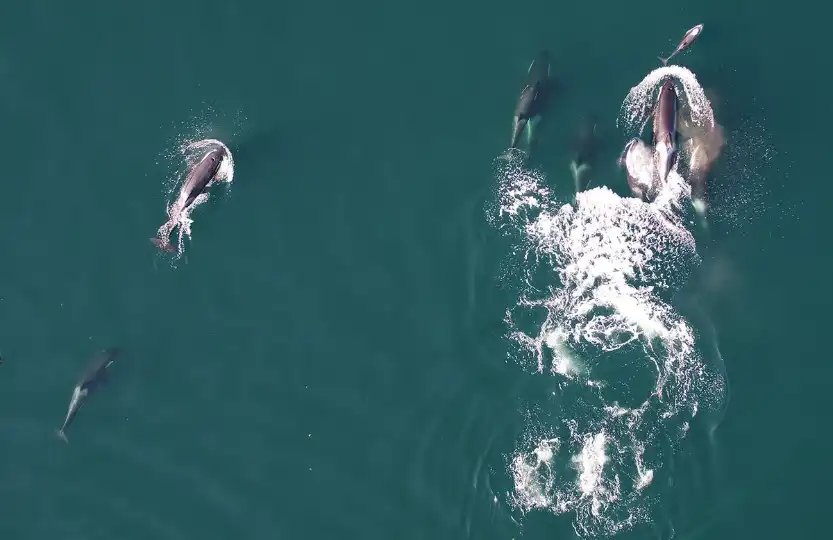
Scientists have discovered that two different kinds of sea animals – orcas and dolphins – may be working together to hunt for salmon. Orcas and dolphins are both clever, but it’s unusual for two different kinds of animals to cooperate in this way.
Scientists Discover “Death-Ball” Sponge & Other New Species
NFK Editors - Nov 19, 2025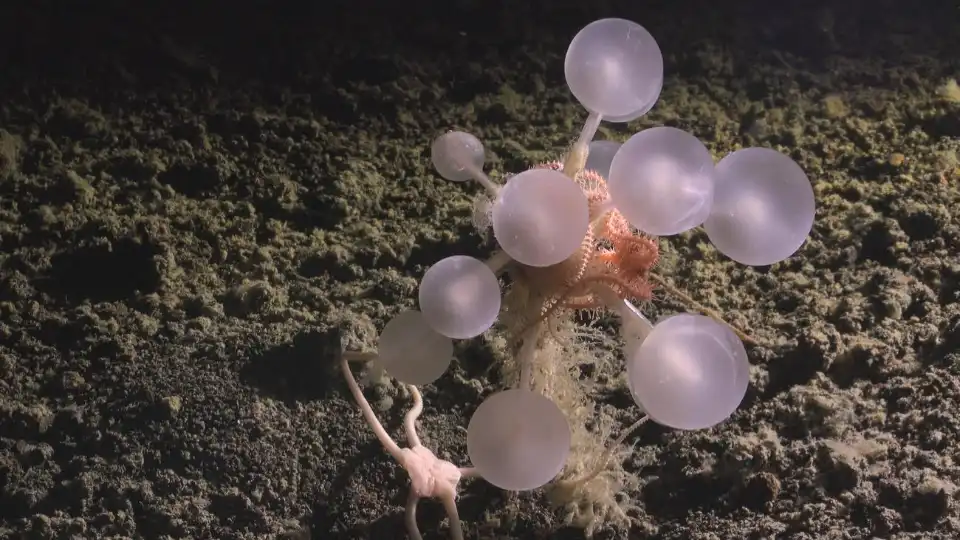
By exploring deep under the Southern Ocean, researchers have discovered 30 unusual species that are new to science. The species include a sponge that eats animals, worms that eat bones, and several news sea stars and sea worms.
Pig Kidney Transplant Trial Begins in US
NFK Editors - Nov 12, 2025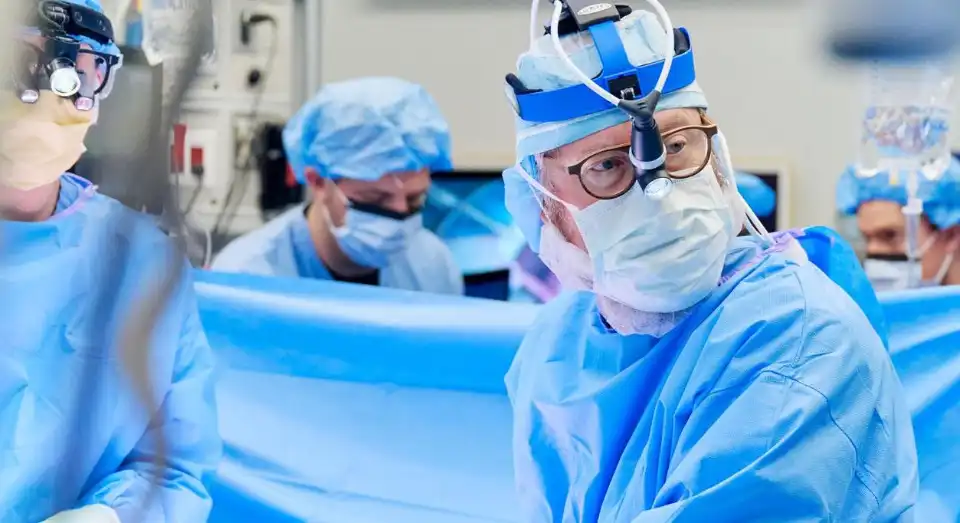
Doctors at a hospital in New York have begun a program that will test whether specially designed pig kidneys can be used to replace human kidneys. The results of the trial program could help thousands of people who are waiting for a new kidney.
Scientists Spot Unusual Hybrid “Grue Jay” in Texas
NFK Editors - Sep 25, 2025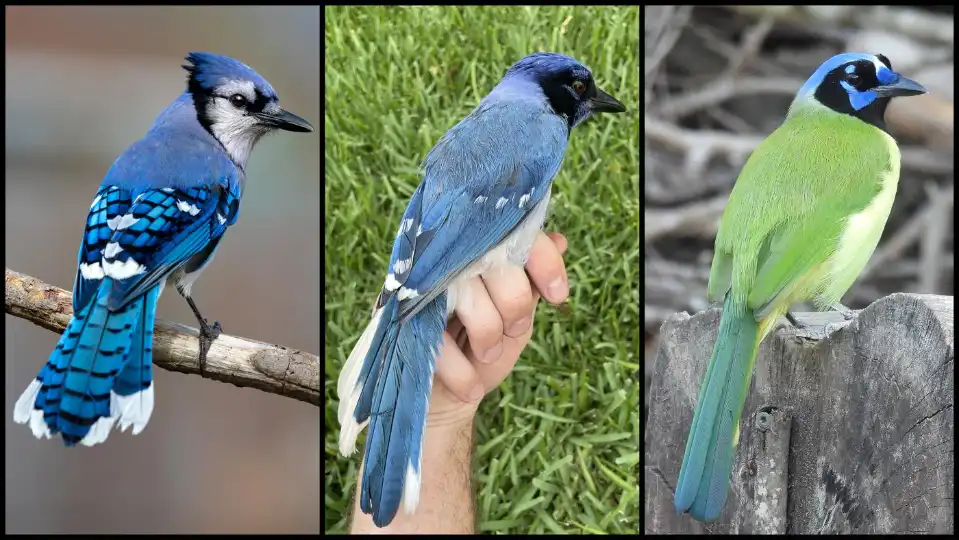
Scientists have reported on an unusual “hybrid” bird spotted in Texas – a cross between a blue jay and a green jay. The discovery is surprising because the two species are quite different. Scientists think the hybrid could be a result of climate change.
advertisement